May 7, 2026
Esthetics vs. Paramedical Esthetics: What’s the Difference?
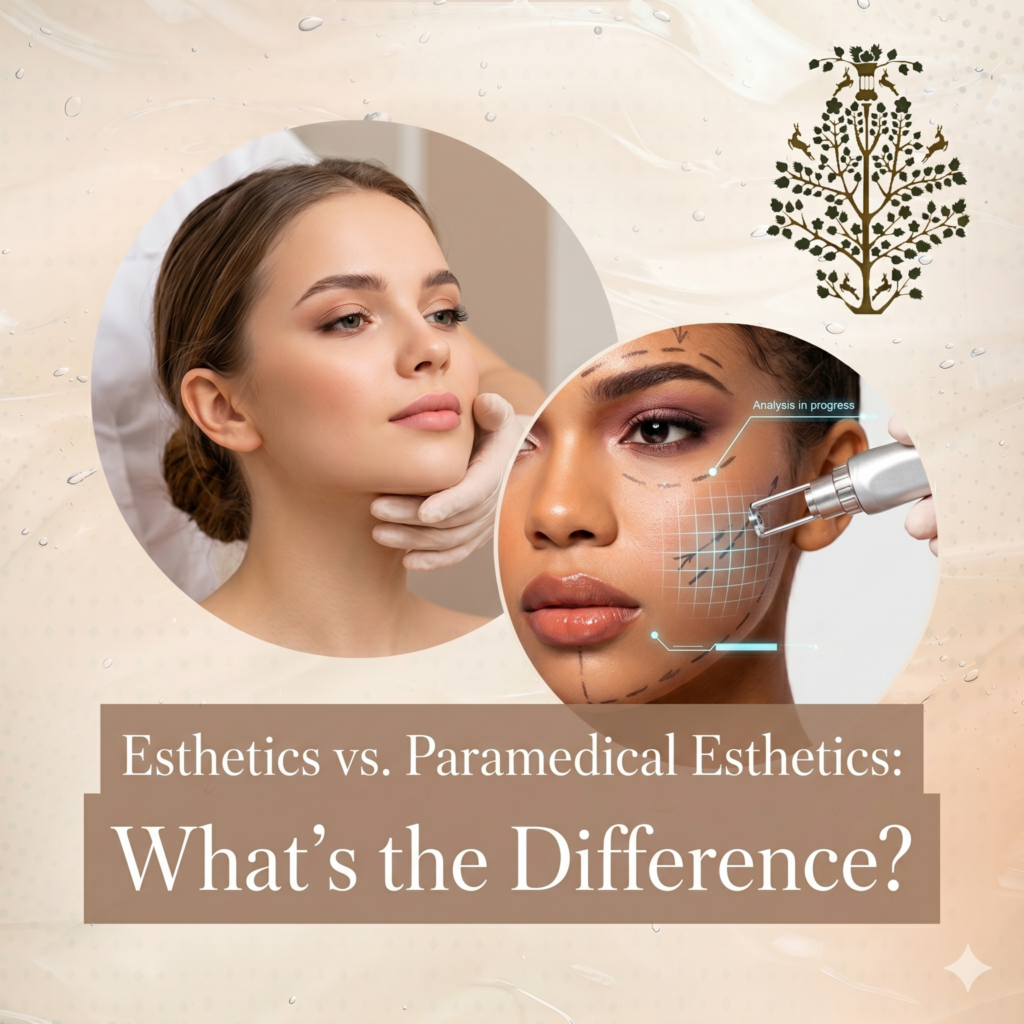
Esthetics focuses on licensed, nonmedical skincare services such as facials, waxing, makeup application, and exfoliation. Paramedical esthetics builds on that foundation through advanced, post-licensure training. It may prepare estheticians for nonmedical skincare roles in medical spas, dermatology offices, plastic surgery practices, and other specialized settings.
At New York School of Esthetics, the 600-hour Esthetics program provides foundational training, while the 120-hour Paramedical Esthetics program is designed for currently licensed estheticians seeking advanced education.
The main differences between esthetics and paramedical esthetics are the level of training, the techniques covered, and the settings in which professionals may work. The services an esthetician can perform still depend on New York’s scope-of-practice rules.
What Is Traditional Esthetics?
Traditional esthetics focuses on nonmedical skincare treatments designed to enhance appearance, promote relaxation, and support overall skin health.
In this path, estheticians perform services such as:
- Customized facials
- Hair removal (waxing)
- Makeup application
- Basic exfoliation and skin treatments
- Skincare consultations and product recommendations
Traditional estheticians typically work in:
- Day spas
- Salons
- Wellness centers
- Resort or destination spas
These environments are centered around self-care and client experience. A big part of the role is creating a calming atmosphere where clients can relax, recharge, and leave feeling refreshed.
At New York School of Esthetics, students build hands-on experience in these core services while learning how to personalize treatments—an essential skill for building long-term client relationships and growing a loyal clientele.
What Is Paramedical Esthetics?
Paramedical esthetics, sometimes called medical esthetics, refers to advanced skincare education for licensed estheticians. It often focuses on cosmetic skincare techniques used in medical spas, dermatology offices, plastic surgery practices, and other specialized environments.
This side of the field focuses less on relaxation and more on results-driven skincare, including:
- Nonmedical pre- and post-procedure skincare
- Acne-focused cosmetic skincare
- Advanced exfoliation techniques
- Skincare focused on the appearance of scars or uneven texture
- Skin analysis and product education
Paramedical estheticians may work in:
- Medical spas
- Dermatology offices
- Plastic surgery clinics
It’s important to understand that estheticians—even in medical settings—are limited in what they can do without additional medical credentials. Many advanced procedures require oversight from a licensed medical professional, and in some cases, additional certifications or healthcare training may be necessary.
In these environments, estheticians may provide cosmetic skincare services, product education, and nonmedical support before or after certain procedures.
Training and Education Requirements
No matter which direction you’re interested in, your journey starts with a strong educational foundation.
At New York School of Esthetics, students begin with a state-approved esthetics program that covers:
- Skin analysis and treatment techniques
- Anatomy and physiology
- Sanitation and safety
- Product knowledge
- Client care and consultation
Programs like this prepare students to sit for New York’s written and practical licensing exams.
What About Paramedical Esthetics Training?
If you’re interested in moving into paramedical esthetics later, you’ll typically need:
- Advanced or post-licensure training
- Certifications in specialized treatments
- Ongoing education in skincare technology and techniques
Some roles may prefer—or require—a background in healthcare, depending on the setting and the services offered.
Because the industry is constantly evolving, continuing education is key—especially for those pursuing more advanced, results-oriented work.
At New York School of Esthetics, the 120-hour Paramedical Esthetics program is available to currently licensed estheticians and may be completed in as little as three weeks.
Career Outcomes and Opportunities
Both career paths offer exciting opportunities, but the day-to-day experience and long-term growth can look different.
Traditional Esthetics Careers
With a foundation in esthetics, you can pursue roles such as:
- Spa esthetician
- Makeup artist
- Skincare specialist
- Salon professional
You may also choose to:
- Build a personal brand
- Grow a repeat client base
- Open your own business or suite
This path is ideal for those who enjoy creativity, client interaction, and a wellness-focused environment.
Paramedical Esthetics Careers
For those drawn to clinical skincare, opportunities may include working alongside medical professionals in:
- Med spas
- Dermatology clinics
- Cosmetic surgery practices
These roles often focus on treatment support and skin correction, and may come with:
- Specialized skill development
- Opportunities for advancement in clinical settings
This path requires ongoing education and an understanding of which services are permitted under your professional license.
Choosing the Right Path for Your Goals
Both traditional and paramedical esthetics offer meaningful, rewarding careers—it all comes down to what excites you most.
Ask yourself:
- Do you enjoy creating relaxing, client-focused experiences?
- Or are you more interested in the science behind skin health and results-driven treatments?
You should also consider your ideal work environment:
- Spa or salon setting: calm, client-centered, and wellness-focused
- Medical setting: clinical, collaborative, and treatment-oriented
At New York School of Esthetics, students are encouraged to explore their interests during training and discover where their strengths lie. Many professionals even start in traditional esthetics and later expand into advanced or medical-focused services through continued education.
Choose the Right Training for Your Esthetics Goals
Understanding the difference between esthetics and paramedical esthetics is an important first step—but the real key to success is getting the right training and hands-on experience.
At New York School of Esthetics, you can build a strong foundation in skincare while preparing for a variety of career paths in the beauty industry. Whether your goal is to create relaxing spa experiences or eventually move into advanced skincare environments, your education is where it all begins.
If you’re ready to take the first step toward a future in skincare, exploring your training options today could open the door to a career that’s both creative and impactful.