January 22, 2026
7 Paramedical Esthetician Careers to Explore
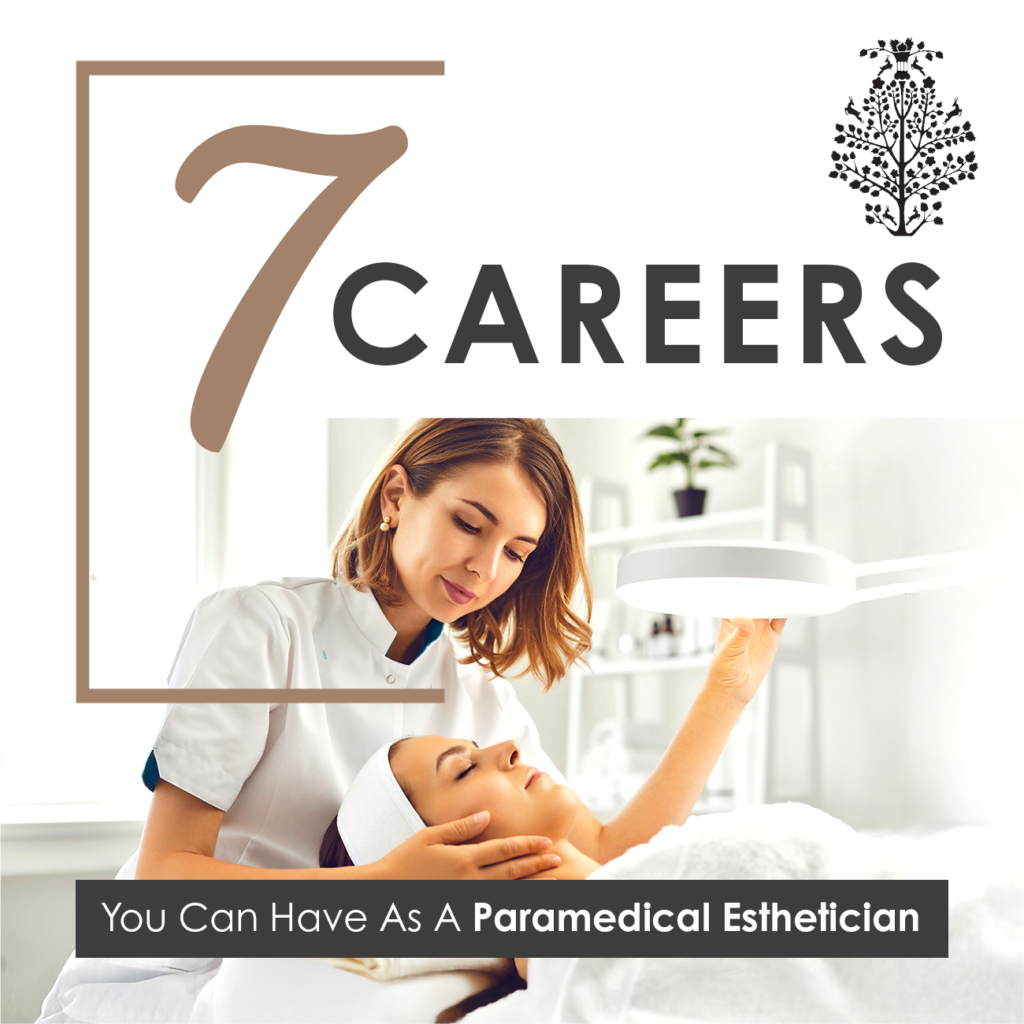
Seven careers someone with an esthetics license and advanced paramedical esthetics training may explore include medical spa esthetician, dermatology-office esthetician, pre- and post-procedure skincare specialist, laser hair-reduction technician, medical aesthetics consultant, oncology esthetician, and spa owner or entrepreneur. The services permitted in each role depend on state scope-of-practice rules, additional credentials, and employer requirements.
At New York School of Esthetics, licensed estheticians can continue their education through the 120-hour Paramedical Esthetics program. The full-time program may be completed in as little as three weeks and covers advanced skincare techniques, equipment, terminology, and treatment concepts.
Paramedical Esthetics Careers at a Glance
Potential career paths include:
- Medical spa esthetician
- Dermatology-office esthetician
- Pre- and post-procedure skincare specialist
- Laser hair-reduction technician
- Medical aesthetics consultant
- Oncology esthetician
- Spa owner or entrepreneur
What Is a Paramedical Esthetician?
In New York, “paramedical esthetician” is not a separate state license. The term generally describes a licensed esthetician who has completed additional training in advanced skincare and may pursue work in medical spas, dermatology offices, plastic surgery practices, or other specialized settings.
Paramedical estheticians do not diagnose medical conditions or perform services outside their professional scope. Depending on their role, training, and employer, they may provide:
- Advanced cosmetic skincare services
- Superficial exfoliation treatments
- Skin analysis and product education
- Nonmedical pre- and post-procedure skincare
- LED and microcurrent services
- Laser or IPL hair-reduction services
- Support within a medical or clinical skincare environment
Advanced training does not expand the scope of an esthetics license. The services someone may perform depend on the procedure and any additional license that may be required.
7 Career Paths to Explore in Paramedical Esthetics
These are potential career paths and work settings for licensed estheticians with advanced training. Specific duties and qualifications vary by employer and state law.
1. Medical Spa Esthetician
Where you might work:
Medical spas (med spas), wellness centers, dermatology-affiliated spas.
What you’ll do:
As a med-spa esthetician, you’ll perform advanced treatments focused on results rather than relaxation. These may include:
- Superficial chemical peels
- Microdermabrasion
- Microcurrent treatments
- LED therapy
- Dermaplaning
- Advanced facials
- Skin analysis and product recommendations
Med spas blend the comfort of a spa environment with access to advanced skincare technology. In this setting, an esthetician may provide advanced nonmedical skincare services while working alongside other licensed professionals.
Why it can be a great fit:
You can thrive in this role if you enjoy a balance of client connection, science-based treatments, and a fast-paced environment focused on results.
2. Dermatology Clinic Esthetician
Where you might work:
Dermatology offices, medical centers, and clinical practices.
What you’ll do:
In this setting, you may provide cosmetic skincare services and product education while working within the practice’s policies. Clients may be seeking support for concerns such as:
- Acne and acne scarring
- Hyperpigmentation
- Rosacea
- Psoriasis
- Sun damage
- Texture issues
- Sensitive skin conditions
Services may include gentle exfoliation, acne-focused cosmetic skincare, facials, and product recommendations. Medical diagnosis and treatment remain the responsibility of appropriately licensed medical professionals.
Why it can be a great fit:
You may enjoy this path if you are interested in client education, cosmetic skincare, and working in a medical environment.
3. Pre- and Post-Procedure Skincare Specialist
Where you might work:
Plastic surgery centers, medical cosmetic practices, and reconstructive surgery clinics.
What you’ll do:
Licensed estheticians may provide nonmedical skincare support before or after cosmetic procedures, depending on the practice and the provider’s instructions. Responsibilities may include:
- Preparing and cleansing the skin
- Providing permitted cosmetic skincare services
- Recommending appropriate skincare products
- Reinforcing aftercare instructions provided by the medical team
- Helping clients maintain a gentle skincare routine
This role does not include medical treatment, wound care, or manual lymphatic drainage unless the person holds the additional professional license required for those services.
Why it can be a great fit:
This field is ideal for anyone who finds fulfillment in helping patients feel confident and comfortable before and after major cosmetic treatments.
4. Laser Hair-Reduction Technician
Where you might work:
Laser clinics, medical spas, dermatology offices, and surgical centers.
What you’ll do:
In New York, licensed estheticians may perform laser hair removal and IPL when it is used for hair reduction. Responsibilities may include:
- Consulting with clients about hair-reduction goals
- Operating permitted laser or IPL hair-reduction equipment
- Following safety and sanitation protocols
- Providing appropriate pre- and post-service information
Other laser procedures—including laser resurfacing, pigmentation removal, vascular treatments, and IPL used to treat redness or sun damage—are considered medical services in New York.
Why it can be a great fit:
If you love working with technology and want a career focused on results-oriented treatments, laser work may be a good fit.
5. Medical Aesthetics Consultant
Where you might work:
Skincare brands, medical device companies, product distributors, and treatment centers.
What you’ll do:
Medical aesthetic consultants help clinics, spas, or clients understand and select the right products, equipment, or treatments. You may:
- Represent skincare or medical device brands
- Educate estheticians and medical professionals
- Help clients understand products and nonmedical skincare options
- Train professionals on equipment protocols
- Conduct product demos or workshops
This job is more education and sales-based, making it a great option for estheticians who love teaching and communication.
Why it can be a great fit:
You’ll excel in this role if you enjoy helping others understand ingredients, tools, and treatment outcomes.
6. Oncology Esthetician
Where you might work:
Cancer treatment centers, wellness centers, integrative health clinics, and medical spas.
What you’ll do:
Oncology esthetics is a specialized area that generally requires additional education focused on safely supporting clients who are undergoing or recovering from cancer treatment. These clients may experience:
- Radiation-related dryness
- Sensitivity
- Irritation
- Post-treatment discomfort
Depending on their training and the client’s medical guidance, oncology estheticians may provide gentle hydration facials, comfort-focused skincare, and product education. They do not diagnose or treat cancer-related medical conditions.
Why it can be a great fit:
This role can be incredibly meaningful for those who want to make an emotional impact and support clients through vulnerable times.
7. Paramedical Esthetics Spa Owner or Entrepreneur
Where you might work:
Your own studio, suite, or specialized clinic.
What you’ll do:
With experience and the applicable licenses, some paramedical estheticians open their own practices focusing on:
- Acne-focused cosmetic skincare
- Advanced facials
- Superficial chemical peels
- Dermaplaning
- Microdermabrasion
- LED therapy
- Laser hair reduction when appropriately trained
Entrepreneurship gives you freedom over your schedule, services, and business growth.
Why it can be a great fit:
If you love independence and dream of building your own brand, this can be an exciting long-term career opportunity.
Why Choose New York School of Esthetics for Your Paramedical Esthetics Training?
New York School of Esthetics offers a 120-hour, full-time Paramedical Esthetics program for currently licensed estheticians. The program may be completed in as little as three weeks.
Students can receive:
- Training in advanced skincare techniques and equipment
- Education in advanced skin anatomy and terminology
- Hands-on practice with professional equipment
- Instruction from experienced educators
- Career assistance and employment-search support
NYSE is committed to helping students build confidence and advanced skills as they explore roles within the medical esthetics field.
Is a Paramedical Esthetics Career Right for You?
You’ll likely succeed in this field if you:
- Are passionate about science-backed skincare
- Enjoy helping others feel confident
- Like detailed, hands-on work
- Want a career that blends beauty, wellness, and clinical skincare environments
- Love continuous learning and advanced training
Start Your Advanced Esthetics Training
If you’re a licensed esthetician interested in expanding your skincare education, New York School of Esthetics offers a 120-hour Paramedical Esthetics program that may be completed in as little as three weeks.
Your future in clinical skincare starts with the right education. Schedule a tour, request more information, or apply today to begin your journey at New York School of Esthetics.